
Independent Travel Guide
Cigars in Panama: An Independent Guide for Travelers
Panama is not a major cigar-making country, but it is a crossroads for cigars: Cuban cigars are sold legally, Panama makes one of Central America's best-known rums, and its tobacco law is one of the strictest in the Americas.
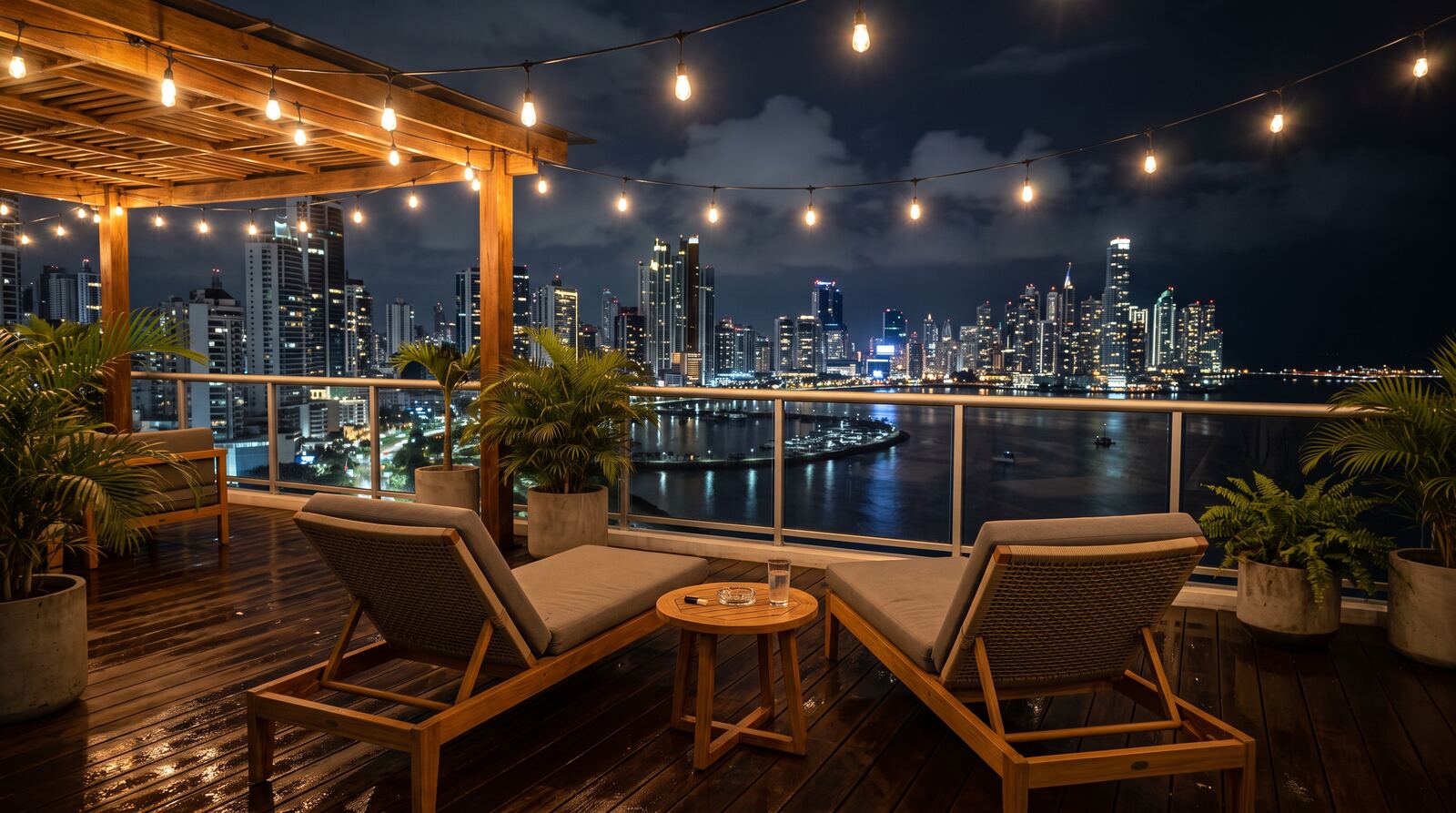
Read the Smoking Rules →Travelers to Panama City often expect a relaxed Caribbean cigar culture. What they find is more interesting: shops selling Cuban cigars openly, a national rum made for sipping with a cigar, and a tobacco-control law strict enough that smoking indoors in public is banned almost everywhere. This guide explains what to know before you light up.
We are an independent, educational site. We do not sell tobacco, run a lounge or deliver anything, and we are not affiliated with any business named here.
Explore the Guides
Does Panama Make Cigars?
Panama grows some tobacco and has a small number of local cigar makers, but it is not a major producer like its neighbors. The Central American cigar heartland lies farther north in Nicaragua and Honduras; see our sister site's guide to Central American cigars. Panama's role is as a market and a crossroads: the Canal, the free-trade zone in Colón and Tocumen International Airport bring cigars and cigar smokers from around the world.
The Smoking Law
Panama's Law 13 of 2008 bans smoking in indoor public places and workplaces, on public transport and at outdoor sports venues, and it banned all tobacco advertising, promotion and sponsorship. Panama was the first country in the Americas to adopt a complete advertising ban. Details are in Panama smoking laws.
Cuban Cigars
Panama trades freely with Cuba, so Cuban cigars are legal and sold in specialist shops, including a La Casa del Habano franchise that opened in Panama City's Old Town in 2019. Americans may buy and smoke them in Panama but may not bring them home. See Cuban cigars in Panama.
Rum and Cigars
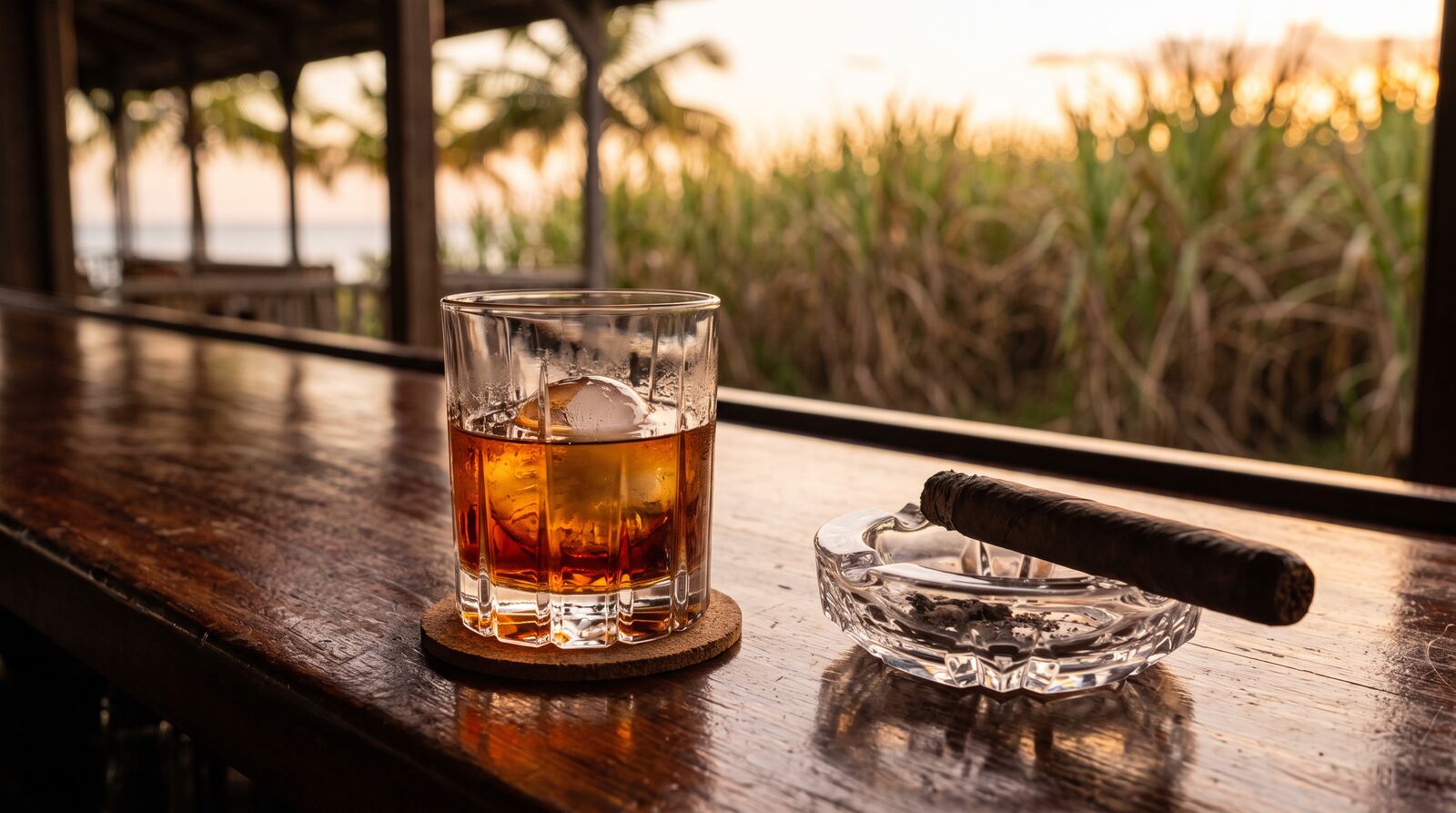
Panama's best-known spirit is Ron Abuelo, made by the Varela Hermanos family in Pesé since 1936. Its aged rums are a classic cigar pairing. Our Ron Abuelo pairing guide matches each age with a cigar strength.
The Panama Hat
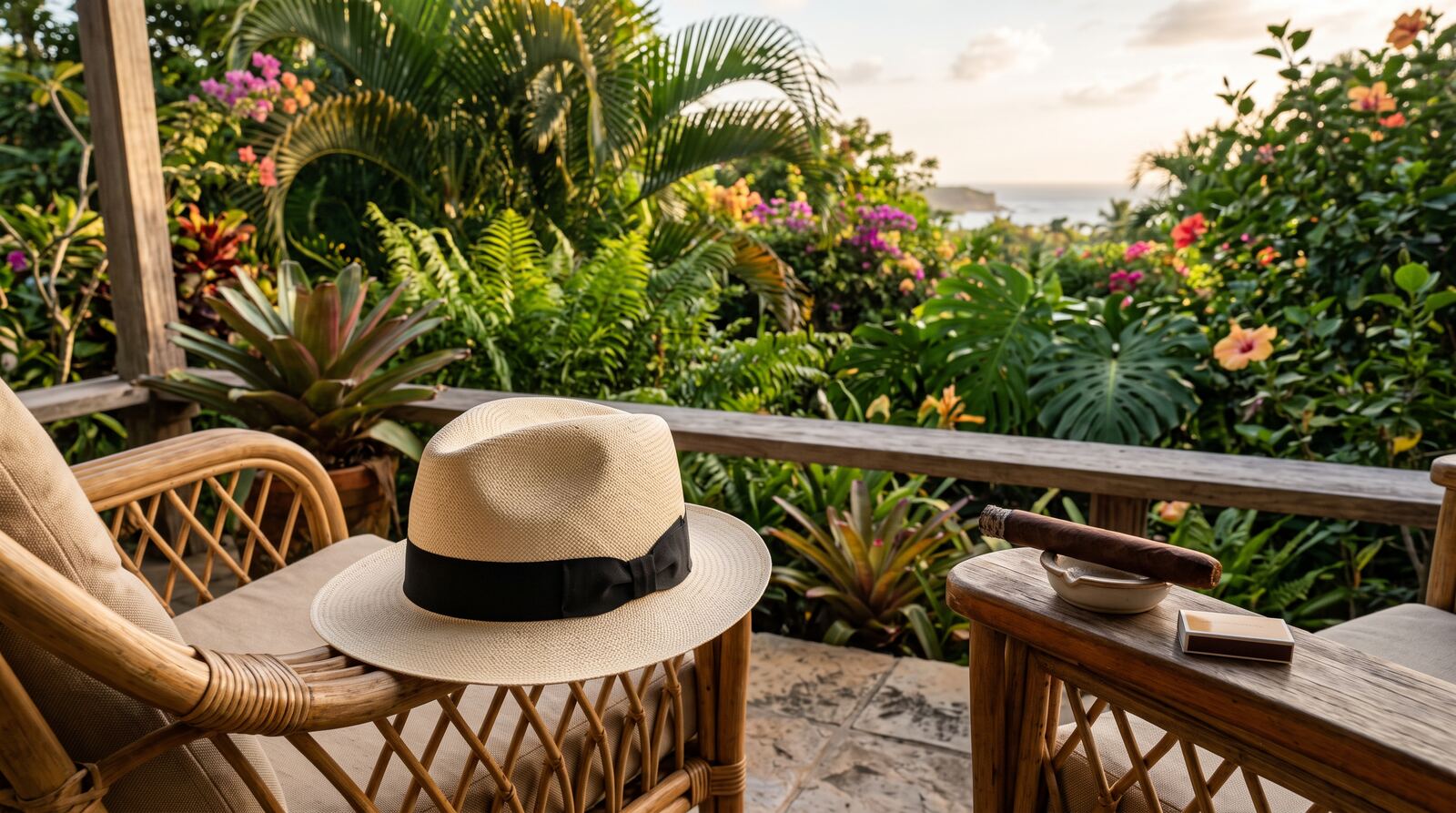
The famous straw hat worn by cigar smokers in every old photograph is not from Panama at all. It is woven in Ecuador and got its name from the isthmus it was shipped through. Read the story in Panama hat history.
Tips for Cigar Smokers Visiting Panama
- Panama's climate is hot and humid year-round, so cigars rarely dry out, but they can get too moist. Keep them sealed and out of the sun.
- Smoke outdoors only where permitted; indoor public spaces, including bars and restaurants, are off limits.
- Buy from established shops to avoid counterfeit Cubans.
- The U.S. dollar is legal tender in Panama, which makes prices easy to compare.
Storing Cigars in the Tropics
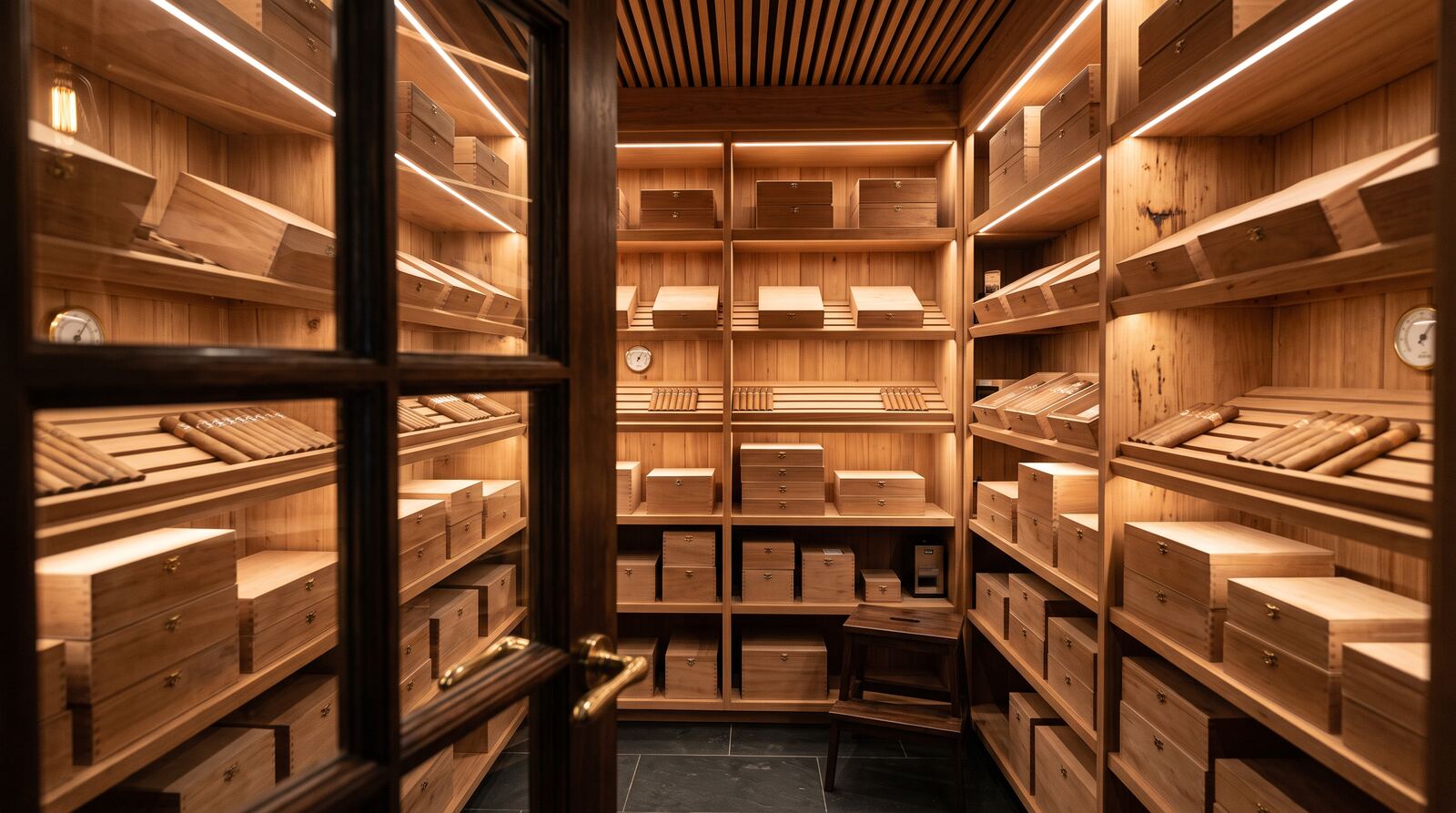
Most cigar storage advice assumes a dry climate where the problem is cigars drying out. Panama is the opposite: average humidity is high all year, and an open box can quickly climb above the 65 to 70 percent range cigars prefer. Overly moist cigars burn unevenly, draw poorly and can grow mold. In Panama, keep cigars in an air-conditioned room, use a sealed container with a two-way humidity pack that absorbs excess moisture, and never leave them in a hot car.
Part of a Larger Map
Cigars Panama is one of the guides in the Cigars North America network. For South American leaf, see Cigars South America.
Frequently Asked Questions
Does Panama make cigars?
Only on a small scale. Panama is mainly a market and crossroads for cigars rather than a major producer.
Are Cuban cigars legal in Panama?
Yes. Panama trades with Cuba and Cuban cigars are sold legally.
Can you smoke in bars in Panama?
No. Panama's 2008 law bans smoking in indoor public places, including bars and restaurants.
What rum is Panama known for?
Ron Abuelo, made by Varela Hermanos in Pesé, Herrera province.
Are Panama hats from Panama?
No. They are woven in Ecuador and named for the isthmus they were shipped through.